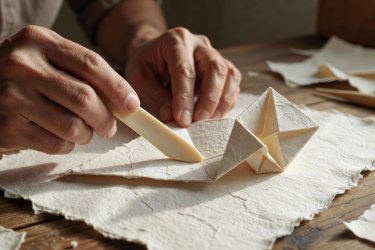
 Paper & Grain
Paper Projects With a Clear Finish
Learn paper grain direction, creasing bone dynamics, and hand-sewn pamphlet bindings for journals and archival folio boxes.
Inspect paper techniques →Adult creative work suffers when projects demand converted garages, industrial dust collectors, or weeks of repetitive prep. We treat craft as an accessible domestic discipline: selecting clean materials, understanding basic jointing and tension, and producing pieces that serve daily life.
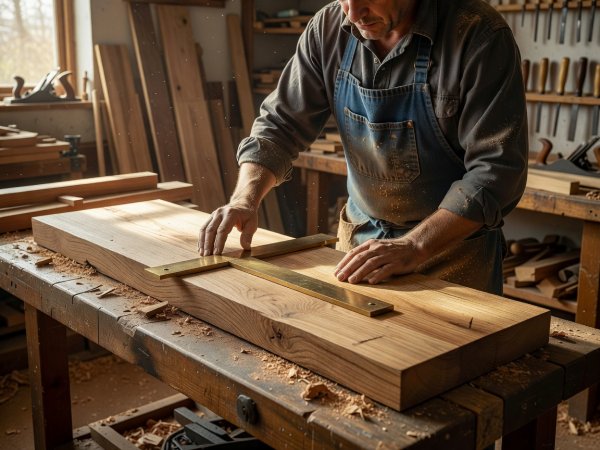
A craft is only sustainable if you can clean up the workspace before dinner. When beginners abandon hobbies, the friction is rarely lack of talent; it is the physical clutter of dust, noxious solvents, wet adhesives, or heavy machinery requiring permanent bench bolts.
By mapping your hobby choice against your flat or house conditions, you prevent frustration. A desk near a window accommodates Japanese multi-needle bookbinding or leather saddle stitching with no fumes and zero flying particles. Carving spoon blanks from green birch produces quiet wood curls easily captured on a drop cloth. Household repair requires only a dedicated tote box and a level surface.
Explore structured craft fundamentals organized by tactile medium. Each path begins with compact techniques, verifiable heritage, and zero reliance on single-use gadgetry.
Paper & Grain
Learn paper grain direction, creasing bone dynamics, and hand-sewn pamphlet bindings for journals and archival folio boxes.
Inspect paper techniques →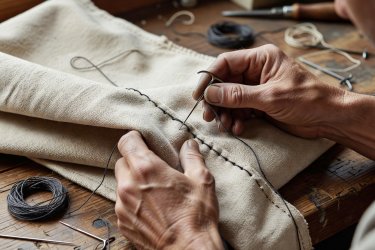 Textile & Leather
Master the twin-needle saddle stitch, Japanese sashiko reinforcement, and seam tension without relying on electric sewing machinery.
Examine hand stitching →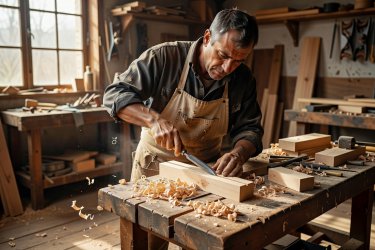 Timber & Grain
Hand-cut joinery, miniature dovetails, spoon carving, and bench hook basics suited to portable apartment workbenches.
Explore small woodwork →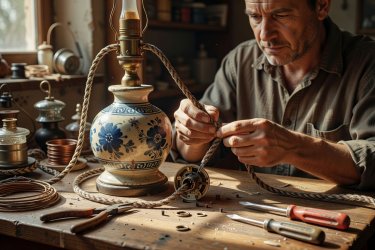 Restoration
Re-cord vintage lamps, mend split chair rungs, solder loose electrical connections, and reseat mechanical hinges with safety.
View repair protocols →Sharp tools cut cleanly and require low muscle exertion, while blunt tools slip and gouge surfaces. Our safety standard relies on predictable hand placement: keep both hands behind chisel cutting edges, use clamping hold-downs instead of fingers, and provide targeted task lighting.
| Discipline | Standard Entry Tool | Primary Workspace Risk | Mitigation Rule |
|---|---|---|---|
| Paper Binding | Bone folder & awl | Awl puncturing supporting fingers | Always pierce into scrap timber or cork board |
| Hand Sewing | Blunt harness needles | Finger bruising under heavy tension | Use sailmaker thimble or palm leather guard |
| Small Woodwork | Japanese Ryoba pull saw | Saw binding on kickback stroke | Cut on the pull motion with zero downward pressure |
| Home Repair | Multimeter & insulated drivers | Stored electrical mains charge | Verify zero voltage across live, neutral, and earth |
Every completed craft generates offcuts, swatches, and technique notes. Keeping a physical maker ledger turns one-off weekend experiments into muscle memory. Note thread weight, wood moisture behavior, glue curing times under room humidity, and blade bevel angles.
When an exercise doesn't yield a showpiece, the mechanical feedback is invaluable. Understanding why hide glue crystallised prematurely or why a chisel tore across end grain prevents identical errors on heirloom projects.
A sturdy desk or kitchen dining table fitted with a non-slip rubber mat and an inexpensive wooden bench hook requires only 80 cm of width. By selecting pull saws (nokogiri) and hand carving gouges instead of circular saws, you generate heavy shavings rather than airborne microscopic sawdust.
Domestic lockstitch sewing machines fail on leather, heavy denim, and 18-oz duck canvas because their motors stall. Hand saddle stitching employs two needles crossing through each pierced awl hole; if one thread snaps, the alternate stitch retains structural hold.
Yes, provided the fixture is fully disconnected from household mains electricity, checked with an insulated digital multimeter, and assembled using British Standard (BS EN 60598) certified brass lamp holders with proper cord grips.
We are a small collective of bench joiners, textile conservators, and repair cafe volunteers based across Northern England. We publish practical guides stripped of promotional sponsorship, testing methods in modest rental kitchens and spare rooms.
Explore our craft ethos on the Making Notes overview or compile a specific technical query via the Reach Us desk tool.
We use cookies Some cookies are needed for the site to work. Others help us understand how it is used. You can change your choice later. Read more