Our approach to useful making
The contemporary hobby market is overwhelmed by manufactured consumer pressure. Beginners are told that to create something satisfying, they must purchase digital vinyl cutters, resin 3D printers, synthetic glitters, or complex motorized suites. The result is often an overburdened home, wasted funds, and incomplete projects discarded in frustration.
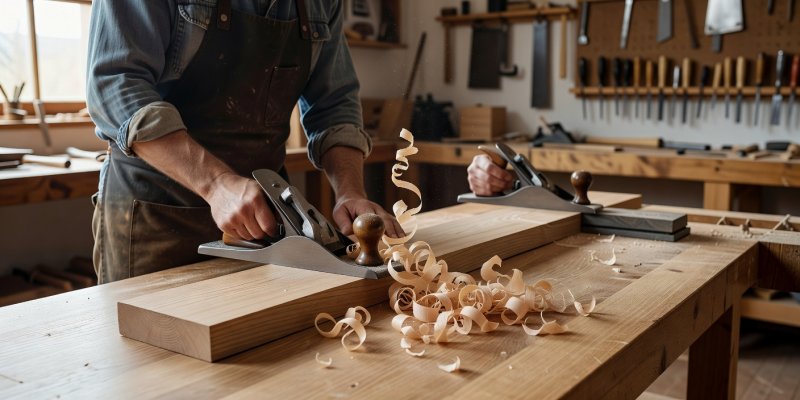
At jollyjunchatterpff.hair, we present an alternative: patient, resourceful tradecraft scaled for ordinary homes. We advocate for projects that yield tactile, long-lasting utility — a notebook bound with archival linen thread, a repaired bedside lamp, or a hardwood storage caddy joined with hand-cut lap joints.
Three Workshop Tenets
1. Achievable Physical Scale
Every technique documented here fits within a 60 × 90 cm workstation. If a task requires heavy extraction hoods or dangerous chemicals, we adapt it to hand tool alternatives or omit it entirely.
2. Honest Tooling
We do not accept commercial product placement or manufacturer commissions. We recommend tool classes — like Sheffield carbon steel chisels or Japanese pull saws — based solely on mechanical integrity, edge retention, and repairability.
3. Durable Outcomes
A hobby project should not end up in domestic waste. Whether mending canvas trousers or binding sketchbooks, we focus on joinery and thread tension methods tested by centuries of craftsman heritage.
Operating Structure
This resource is run by craft instructors, community repair café volunteers, and amateur makers based in Yorkshire, England. We test procedures in rented flats, domestic kitchens, and community workshops to ensure directions reflect real-world working conditions rather than idealized television studios.